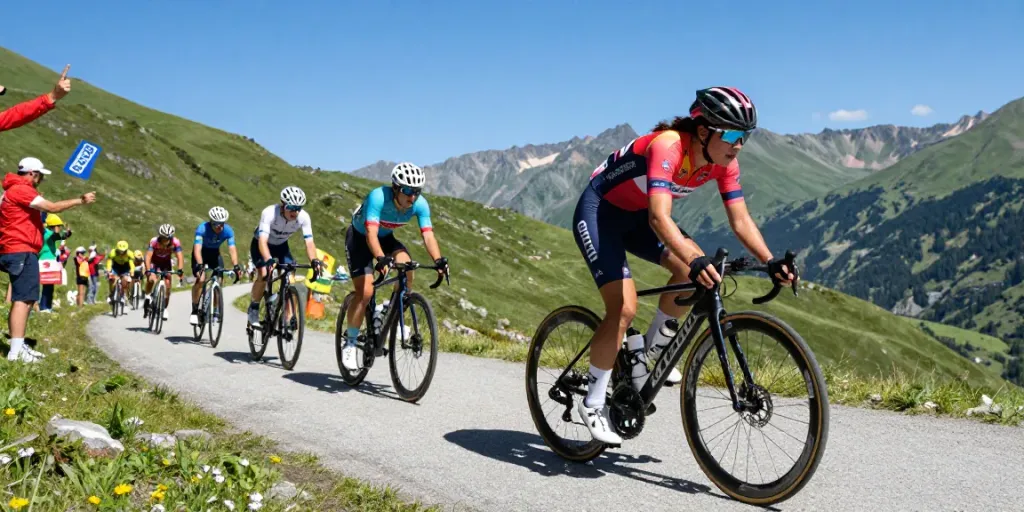
Understanding the Cyclist Landscape
The world of competitive cycling is a dynamic sphere that continuously evolves, attracting thousands of cycling enthusiasts globally. With major events like the MTB World Championships and Vuelta a España drawing significant attention, it’s crucial to understand the landscape that these ciclisti navigate. This article delves into the diverse types of cyclists, the competitive cycling framework, and the significance of performance metrics in this exhilarating sport.
Definition and Types of Ciclisti
Ciclisti, or cyclists, encompass a broad range of individuals who participate in cycling activities, from leisurely rides to intense competitive events. They can be categorized into several types:
- Professional Cyclists: These athletes compete at high levels, participating in prestigious races such as the Tour de France and the World Championships.
- Amateur Cyclists: Engaging in cycling for enjoyment and fitness, amateur cyclists often participate in local competitions.
- Mountain Bikers: Specializing in off-road cycling, mountain bikers tackle rugged terrains and trails, often participating in events like the MTB World Championships.
- Track Cyclists: These athletes race on velodromes, focusing on speed and strategy over short distances.
Key Areas of Cycling Competitions
The landscape of cycling competitions is marked by several key events and competitions which define the sport’s culture:
- Road Racing: Events such as the Tour de France involve long distances, with cyclists navigating various terrains.
- Mountain Biking: The MTB World Championships showcase the skills of cyclists in challenging off-road conditions, with this year’s highlights focusing on competitors like Van der Poel and Rissveds.
- Track Cycling: Competitions at velodromes emphasize speed and tactical prowess, featuring in events like the upcoming World Championships.
- Cyclo-Cross: A mix of road racing and off-road cycling, cyclo-cross races are conducted in various terrains and weather conditions.
Importance of Cyclist Performance Metrics
Understanding performance metrics is crucial for both the athletes and their coaches. Key metrics include speed, endurance, and power output, often measured through various technologies and methodologies. These performance metrics help in:
- Analysis of Strengths and Weaknesses: Identifying areas for improvement in training and race strategy.
- Injury Prevention: Monitoring these metrics can help cyclists avoid overtraining and injuries.
- Enhancing Competitive Edge: Fine-tuning performance metrics allows cyclisti to maximize their potential during competitions.
Analyzing Performance in Competitive Events
In the realm of competitive cycling, analyzing how ciclisti perform during events provides insights into what it takes to succeed. Various factors contribute to performance, and understanding them is key to improving future outcomes.
Factors Affecting Ciclisti Performance
Performance in cycling is influenced by numerous factors, including:
- Physical Conditioning: Overall fitness, including strength, flexibility, and endurance, is critical for success in competitive cycling.
- Equipment: The choice of bike and gear can significantly impact performance; advancements in technology provide an edge.
- Psychological Factors: Mental resilience and focus are equally important, particularly during high-pressure competitions.
Key Metrics: Speed, Endurance, and Technique
To secure victories, ciclisti must excel in speed, endurance, and technique. Speed is often governed by a cyclist's power output and aerodynamics. Endurance is developed through training regimens that enhance cardiovascular strength. Finally, mastering cycling technique—like cornering and energy conservation—can make a significant difference in performance outcomes.
Real-World Case Studies from 2026 Events
The recent MTB World Championships and the ongoing Vuelta a España provide vivid examples of performance in action. For instance, the victory of Andreas Leknessund at the Vuelta, achieved through tactical maneuvers and peak physical condition, illustrates the vital role of strategic planning and execution in cycling.
Training Techniques for Enhanced Performance
Optimizing training techniques is essential for ciclisti aiming to improve their performance in competitive events.
Best Practices for Mountain Biking Training
Mountain biking requires a specific set of skills and fitness. Best practices include:
- Interval Training: This enables cyclists to build endurance and strength in high-intensity bursts.
- Technical Skills Development: Practicing on varied terrains helps improve handling and confidence.
- Cross-Training: Engaging in activities like running and swimming can enhance overall fitness and reduce injury risk.
Nutrition and Hydration Strategies for Ciclisti
Optimal nutrition and hydration are vital for maintaining performance levels. Key strategies include:
- Carbohydrate Loading: This technique is useful before major events to maximize energy reserves.
- Regular Hydration: Staying hydrated before, during, and after rides is crucial for recovery and performance.
- Recovery Meals: Consuming protein and carbs post-ride aids recovery and muscle repair.
Recovery and Injury Prevention Techniques
Recovery techniques are essential for ciclisti to ensure peak performance. Methods include:
- Active Recovery: Light cycling can help promote blood flow and recovery.
- Stretching and Mobility Work: Regular stretching sessions enhance flexibility and prevent injuries.
- Rest Days: Allowing time for proper recovery is essential for long-term success and injury prevention.
Future Trends in Cycling for 2026 and Beyond
Cycling, as an evolving sport, continues to adapt and change, gaining traction among diverse audiences.
Emerging Technologies Impacting Ciclisti
Emerging technologies such as wearable devices, advanced bike materials, and virtual training platforms are reshaping the landscape of cycling. These technologies can provide cyclists with real-time data, enhancing their training and competitive strategies.
Predictions for Competitive Cycling Events
As cycling grows, predictions suggest an increase in the number of events, more significant investments in athlete development, and enhanced fan engagement through technology. This year’s Vuelta a España will likely set the stage for future innovations in event presentation and athlete tracking.
Societal Trends Influencing Cycling Enthusiasm
Societal shifts, including increased environmental consciousness and a trend towards healthier lifestyles, are boosting the popularity of cycling. The rise of social media platforms also helps connect ciclisti with wider audiences, nurturing community engagement in cycling.
Common Misconceptions about Ciclisti
Despite the popularity of cycling, misconceptions still prevail about the sport and its athletes.
Myths vs. Facts in Competitive Cycling
One prevailing myth is that cycling is an easy sport that requires little physical effort. In reality, it demands immense physical conditioning and mental toughness. Athletes often train rigorously to compete at high levels, dispelling the notion that cycling is merely a leisurely activity.
Understanding the Mental Game of Ciclisti
The mental aspect of cycling cannot be understated. Cyclists must maintain focus, manage anxiety, and cultivate resilience throughout training and competition to achieve optimal performance.
Debunking Nutrition Myths for Cyclists
Another common misconception is that all fats are detrimental to performance. In reality, healthy fats are crucial for energy, and cyclists must include them in moderation to support their overall dietary needs.
What are the best training tips for Ciclisti?
The best training tips for ciclisti emphasize consistency, adaptability to different training styles, and goal-setting to enhance both performance and motivation.
How can technology improve Ciclisti performance?
Technology can improve performance through advanced analytics, training apps, and connected bike systems, providing valuable insights for cyclists to fine-tune their training.
What should new Ciclisti know before competing?
New ciclisti should understand the importance of building a solid foundation in skills and fitness before entering competitive events. They should also familiarize themselves with race rules and strategies.
Who are the most successful Ciclisti of 2026?
As of 2026, notable successful ciclisti include Tadej Pogačar, who has consistently performed at the highest levels, showcasing exceptional skills across various competitions.
How do Ciclisti monitor their performance?
Ciclisti monitor performance using a combination of wearable technologies, power meters, and app-based metrics, enabling them to track improvements and adapt training for peak performance.